
Oto Ekspertiz in Turkey: Vehicle Inspection Guide 2026
How to get a proper vehicle inspection before buying a used car in Turkey, what it covers, what it costs and why you should never skip it.
If you are buying a used car in Turkey, an oto ekspertiz (vehicle inspection) is the single most important step you can take to protect yourself from fraud, hidden accident damage and mechanical problems that could cost you thousands of lira down the line. We have been through this process multiple times over 11 years in Turkey and we can tell you from first-hand experience: never hand over money for a second-hand vehicle without a proper ekspertiz report in your hand.
What Is Oto Ekspertiz?
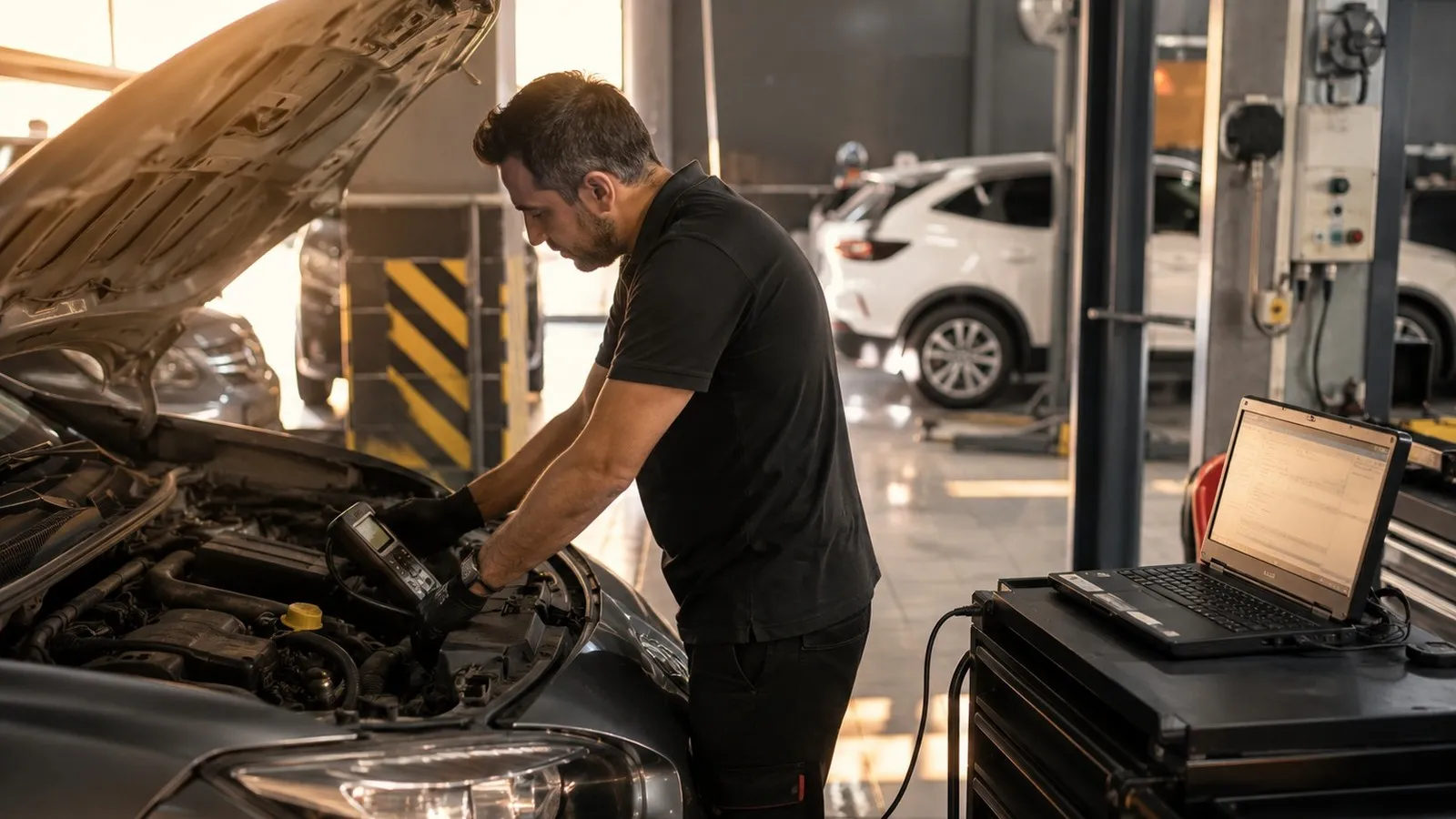
Oto ekspertiz is a voluntary, detailed technical inspection of a vehicle carried out by a specialist centre or qualified technician. The word "ekspertiz" comes from the French "expertise" and in the Turkish automotive context it refers specifically to a pre-purchase inspection designed to reveal a car's true condition.
This is fundamentally different from the muayene, which is the compulsory annual roadworthiness test that every vehicle in Turkey must pass at a TUVTURK station. The muayene checks whether a car meets basic safety and emissions standards. It does not tell you whether the car has been in a serious accident, whether panels have been repainted, whether the odometer has been rolled back or whether the engine is on its last legs.
Think of it this way: muayene asks "is this car safe to drive today?" while ekspertiz asks "is this car worth buying?" They serve completely different purposes, and passing one does not substitute for the other. A car can sail through its muayene with flying colours and still have a history of flood damage, replaced airbags and a clocked odometer. Only an ekspertiz will catch those things.
In Turkey, the used car market is enormous. Platforms like sahibinden.com list hundreds of thousands of vehicles at any given time, and the culture of buying second-hand is deeply embedded. Unfortunately, so is the practice of hiding damage and inflating the condition of vehicles. An ekspertiz levels the playing field and gives you the facts before you commit. For a broader overview of the car-buying process, see our complete guide to buying a car in Turkey.
What an Ekspertiz Report Covers
A comprehensive ekspertiz is not a quick once-over. It is a systematic examination of virtually every aspect of the vehicle. Here is what a thorough inspection will cover, and what you should expect to see in the report.
Paint Thickness Measurement
This is often the first and most revealing check. Technicians use an electronic paint thickness gauge to measure the depth of paint on every panel of the car. Original factory paint typically measures between 80 and 140 microns. If a panel reads significantly higher, say 200 to 300 microns or more, it has been repainted. This does not always mean accident damage (sometimes panels are repainted for cosmetic reasons), but readings above 400 or 500 microns often indicate that body filler has been applied, which points to serious structural repair.
The report will usually show a diagram of the car with colour-coded readings for each panel. Green means original, yellow means repainted and red means heavy filler or replacement. We will cover how to read these reports in detail further down.
Chassis and Structural Check
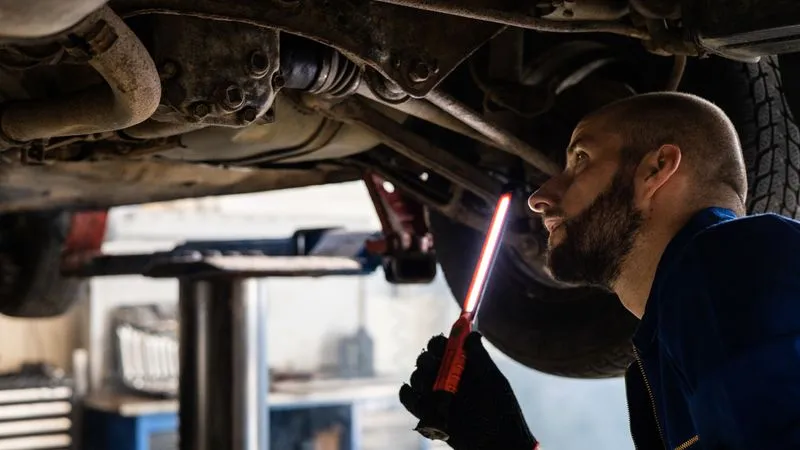
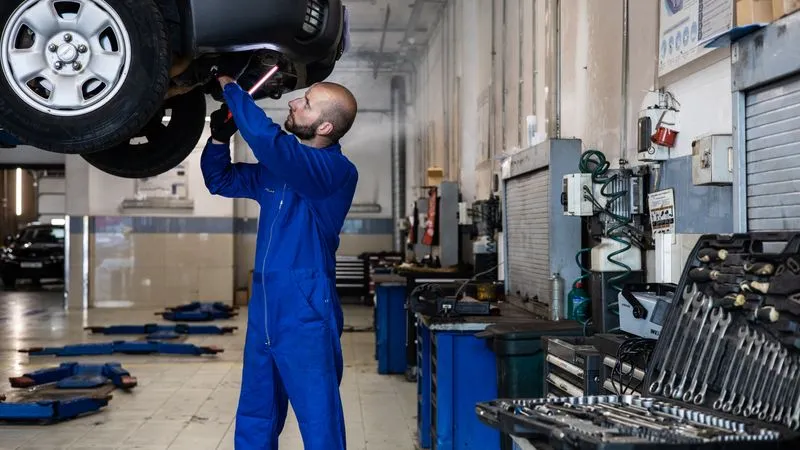
The technician inspects the vehicle's chassis, subframe and structural components from underneath using a hydraulic lift. They are looking for signs of bending, welding, cracking or replacement. A car with chassis damage has been in a serious accident and, regardless of how well it has been repaired, it will never handle the same way again. This is a potential safety issue and a major red flag.
Engine Diagnostics (OBD Scan)
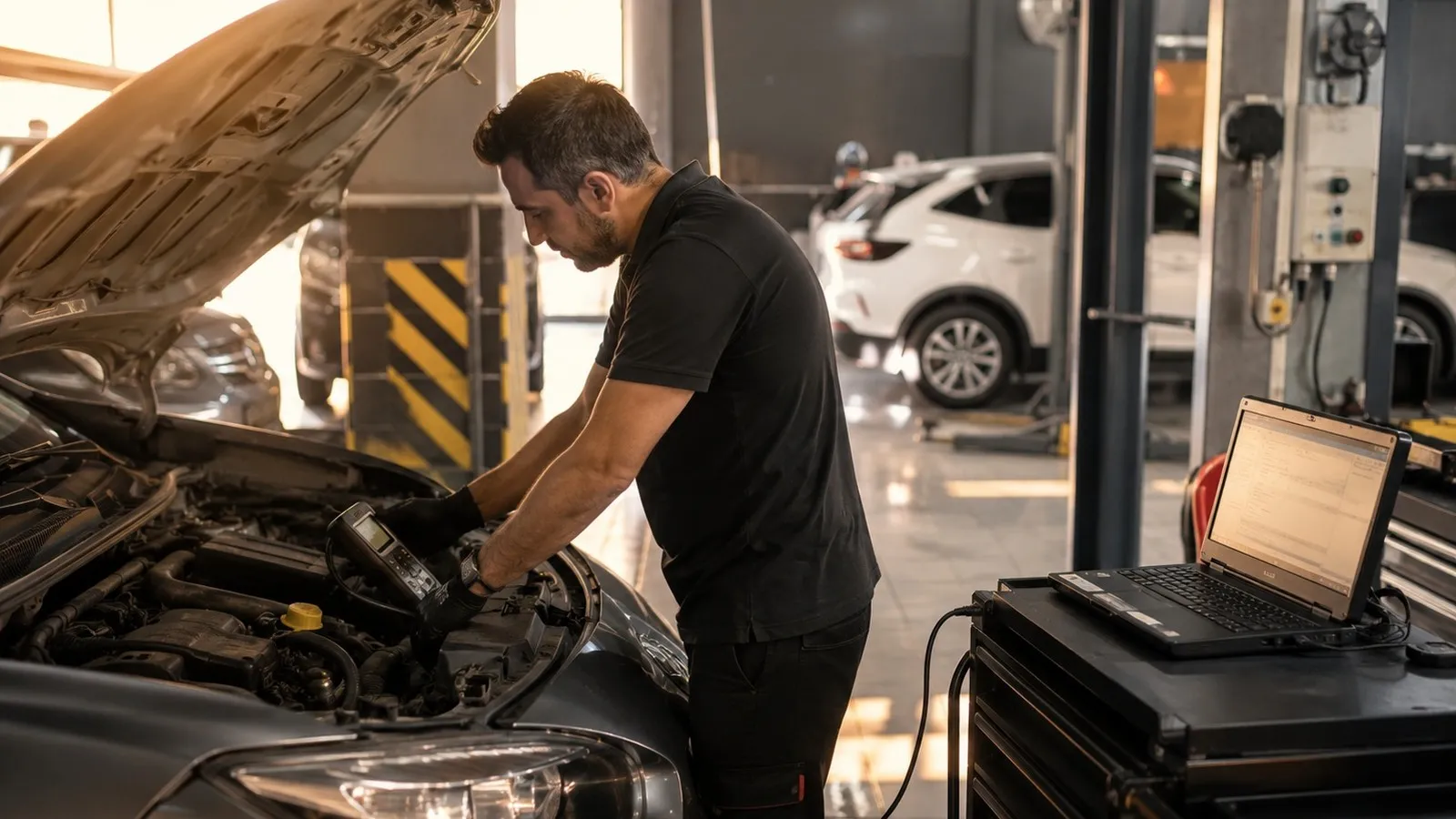
A diagnostic tool is plugged into the car's OBD-II port to read fault codes stored in the engine control unit. This can reveal hidden problems with the engine, transmission, ABS system, airbag system and emissions controls. It also checks whether any warning lights have been deliberately disabled. Some scanners can also show mileage data stored in the ECU, which is useful for verifying whether the odometer has been tampered with.
Accident History Verification
The technician cross-references the vehicle with the TRAMER (Traffic Insurance Information Centre) database. TRAMER records all insurance claims made against a vehicle, including the date, type and cost of the damage. If a car has had significant insurance claims, TRAMER will show it. You can also check TRAMER yourself through the e-Devlet (turkiye.gov.tr) portal if you have a Turkish ID number, but having the ekspertiz centre pull the report ensures nothing is missed.
Mileage Verification
Odometer fraud is disturbingly common in Turkey. The technician will compare the displayed mileage with data from the OBD scanner, service records and the general wear patterns of the car. Excessive wear on the steering wheel, pedals, seats and gear knob in a car showing low mileage is a classic sign of clocking. Some ekspertiz centres also check historical muayene records, which log the mileage at each annual inspection.
Electrical Systems
This covers the battery condition, alternator output, all lighting (headlights, indicators, brake lights), power windows, central locking, air conditioning, infotainment system and any electronic driver aids. Electrical gremlins are common in Turkish cars due to the extreme summer heat, and they can be expensive to fix.
Suspension and Brakes
The technician checks shock absorbers, springs, bushings, ball joints, brake pads, discs and brake fluid. A test drive may also be included to assess road manners, steering alignment and any unusual noises.
Tyre and Wheel Condition
Tyre tread depth, age, brand consistency across all four wheels and signs of uneven wear (which can indicate alignment or suspension issues) are all recorded.
Not every ekspertiz centre covers all of these items. Basic packages may only include paint thickness and a visual exterior check. That is why we always recommend paying for a full, comprehensive inspection. The price difference is small compared to the cost of missing a serious problem. If you are also considering importing a vehicle into Turkey, an ekspertiz before purchase is doubly important.
When You Need an Ekspertiz
There are several situations where getting an ekspertiz is either essential or strongly recommended.
Before Buying a Used Car
This is by far the most common reason. Whether you are buying from a private seller on sahibinden.com, from a car dealership (galeri) or from someone you know, always get an ekspertiz. The Turkish used car market has a saying: "araba aldatan alir" (the car deceives the buyer). Even friends and family members may not be fully aware of a car's hidden problems. The small cost of an ekspertiz can save you from a purchase you will regret. Our vehicle inspection service can arrange the entire process for you, including translation of the report.
After an Accident or Insurance Claim
If you are buying a car that has disclosed previous accident damage, or if your own car has been repaired after an accident, an ekspertiz can verify the quality of the repair. Insurance companies in Turkey sometimes use budget repair shops, and the results are not always confidence-inspiring. Getting an independent check after a major repair gives you peace of mind and documentation for future resale.
Before Importing or Exporting a Vehicle
If you are bringing a car into Turkey from abroad, an ekspertiz establishes a baseline condition report that can be useful for customs valuation and tax calculations. Similarly, if you are selling a Turkish car to export it, a clean ekspertiz report adds credibility and value.
Before Selling Your Own Car
A clean ekspertiz report is a powerful sales tool. It shows potential buyers that you have nothing to hide and can justify a higher asking price. Many savvy Turkish buyers now insist on seeing a recent ekspertiz report before they will even come to view a car.
Where to Get an Ekspertiz
You have several options when it comes to choosing where to get your ekspertiz. Each has its own advantages and trade-offs.
Brand-Authorised Service Centres
Every major car manufacturer in Turkey operates authorised service centres (yetkili servis) that offer ekspertiz services. If you are buying a Toyota, you can take it to a Toyota yetkili servis; if it is a Volkswagen, a VW centre; and so on. The advantage here is that the technicians know the specific model inside out and have access to the manufacturer's diagnostic software, which can reveal more detail than generic OBD scanners. The downside is cost: brand service centres charge a premium, typically 12,000 to 18,000 TRY for a full inspection. They also tend to have longer wait times, and you may need to book a week or more in advance.
Independent Ekspertiz Stations
These are dedicated ekspertiz businesses that inspect all makes and models. They are found in every major city and most mid-sized towns across Turkey. Chains like Dekra, Otonet Ekspertiz and various local operators offer standardised inspection packages. Independent stations are generally more affordable (5,000 to 9,000 TRY for a full check) and can usually fit you in within a day or two. The quality varies, so we recommend choosing a station that has been in business for several years and has good Google reviews. Ask whether they use a hydraulic lift (some only do visual checks from underneath using a pit, which is less thorough). You can find trusted ekspertiz centres through our professional directory.
Mobile Ekspertiz Services
Some companies will send a technician to the car's location with portable equipment. This is convenient when the seller is far away or the car cannot easily be driven to a station (perhaps it has been sitting for a while). Mobile services are typically limited to paint thickness, basic OBD scanning and a visual check. They cannot do a full underbody inspection without a lift. Prices range from 2,500 to 5,000 TRY. We consider mobile ekspertiz a useful first filter but not a substitute for a full station inspection.
A Word About Galeri (Dealer) Ekspertiz
Some car dealerships offer their own in-house ekspertiz. Treat these with extreme caution. The dealer has a financial interest in selling you the car, and their ekspertiz is not independent. Always insist on your own, independent inspection at a station of your choosing. If a dealer resists this, that is a red flag. See our buying guide for more on dealing with galeris.
How Much Does an Ekspertiz Cost?
Prices for ekspertiz in Turkey vary depending on the type of inspection, the station and the vehicle. Here is a breakdown of what you can expect to pay in 2026.
| Inspection Type | What It Includes | Typical Cost (TRY) |
|---|---|---|
| Basic | Paint thickness, visual exterior check, basic OBD scan | 2,500 - 4,000 |
| Standard | Paint, chassis (lift), OBD diagnostics, TRAMER check, brake and suspension | 5,000 - 7,000 |
| Comprehensive | All of the above plus full electrical, road test, tyre check, detailed report | 7,000 - 9,000 |
| Brand Service Centre | Manufacturer-specific diagnostics, factory software scan, full report | 12,000 - 18,000 |
| Mobile (On-Site) | Paint thickness, portable OBD, visual check | 2,500 - 5,000 |
These prices are for standard passenger cars. SUVs, commercial vehicles and luxury cars may cost more. Some stations also charge extra for specific add-ons like a compression test or a detailed transmission analysis.
To put these costs in perspective: a hidden engine problem can easily cost 30,000 to 100,000 TRY to fix. A car with undisclosed chassis damage could be worth 30 to 50 per cent less than the asking price. The cost of an ekspertiz is negligible compared to the risk of buying blind. Factor it into your budget alongside insurance and registration costs.
How to Read the Report
Ekspertiz reports can look intimidating, especially if they are entirely in Turkish. Here is how to make sense of what you are looking at.
The Colour-Coded Body Diagram
Most reports include a top-down diagram of the car with each panel colour-coded. The standard colour system used by most ekspertiz centres is:
- Green (Yesil): Original factory paint. This is what you want to see across the entire car.
- Yellow / Orange (Sari / Turuncu): The panel has been repainted. This could be for cosmetic reasons (a scratch repair) or could indicate minor damage.
- Red (Kirmizi): The panel has heavy body filler (macun) or has been replaced entirely. This indicates significant damage and repair.
- Blue or Purple (Mavi / Mor): Some reports use these colours to indicate that a panel has been removed and refitted, or that the paint is a different shade from the rest of the car.
A car with one or two yellow panels is common and not necessarily a deal-breaker, especially on older vehicles. But multiple red panels, particularly on structural areas like the A-pillars, B-pillars, roof or chassis rails, should make you think very carefully.
Key Turkish Terms in the Report
- Orijinal: Original, untouched.
- Boyali: Painted (repainted).
- Macunlu: Body filler applied.
- Degisen: Replaced (the panel is not original).
- Hasarli: Damaged.
- Cizik: Scratched.
- Govde: Body/chassis.
- Hasar kaydi: Damage record (from TRAMER).
- Km uyumu: Mileage consistency.
Red Flags to Watch For
Even if you do not read Turkish fluently, look for these warning signs in the report:
- Any red markings on structural panels (roof, A/B/C pillars, floor pan, chassis rails). This means the car has had a serious accident.
- TRAMER records showing high-value claims. A claim over 50,000 TRY usually means significant damage.
- Mileage discrepancy. If the OBD data or service records do not match the odometer, the car has almost certainly been clocked.
- Multiple fault codes in the OBD scan, especially airbag-related codes. This can mean the airbags deployed in a crash and were either replaced cheaply or not at all.
- Inconsistent tyre brands or sizes. This suggests poor maintenance or recent changes to hide uneven wear.
If the report shows any of these issues, either walk away or use the findings to negotiate a significant price reduction. Our notary assistance service can help you navigate the negotiation and paperwork if you decide to proceed with a purchase despite some issues.
Ekspertiz vs Muayene (TUVTURK): Key Differences
This is a point of confusion for many foreigners in Turkey, so let us make the distinction absolutely clear.
| Aspect | Ekspertiz | Muayene (TUVTURK) |
|---|---|---|
| Purpose | Pre-purchase condition assessment | Annual roadworthiness certification |
| Required by law? | No (voluntary) | Yes (mandatory) |
| Carried out by | Private ekspertiz centres or service centres | TUVTURK authorised stations |
| What it checks | Paint, chassis, engine, history, mileage, electrics, everything | Brakes, lights, emissions, tyres, basic safety |
| Accident history | Yes (TRAMER check included) | No |
| Mileage verification | Yes | Records current mileage only |
| Cost | 2,500 - 18,000 TRY | ~1,500 - 2,500 TRY (set by regulation) |
| Frequency | When buying/selling | Annually (every 2 years for new cars) |
The critical takeaway is this: a valid muayene certificate tells you nothing about whether a car is a good purchase. We have seen cars with fresh muayene that turned out to have clocked odometers, hidden flood damage and three pages of TRAMER history. Always get an ekspertiz on top of verifying the muayene is current.
When it comes time to tax and register your vehicle, muayene is what you need. For more on vehicle-related taxes, see our guide to taxes in Turkey.
Tips for Foreigners
Navigating the ekspertiz process as a foreigner in Turkey comes with a few extra challenges. Here is our advice based on years of helping expats through this process.
The Language Barrier
Most ekspertiz technicians speak little or no English. The reports are almost always in Turkish. This is not an insurmountable problem, but it does mean you need to prepare. Either bring a Turkish-speaking friend you trust, hire a translator or use our consultation service to have someone accompany you. Do not rely on Google Translate for technical automotive terminology; the results can be misleading.
Choose Your Own Station
This is the single most important rule. Never let the seller choose the ekspertiz station. Some sellers have cosy relationships with particular inspectors who will overlook problems in exchange for ongoing referrals. Always pick a station yourself, ideally one with no connection to the seller. If you do not know any stations in your area, check our directory or ask in local expat groups for recommendations.
Insist on a Lift Inspection
Make sure the station uses a hydraulic lift to inspect the underside of the car. A pit inspection (where the car drives over a trench and the technician looks up from below) is better than nothing, but a lift gives far better access to the chassis, suspension and exhaust system. Ask before you book: "Lift var mi?" (Do you have a lift?).
Be Present and Ask Questions
Even if you do not speak Turkish, being present sends a message that you are a serious buyer who is paying attention. Watch the technician work. If they seem to be rushing or skipping sections, say something. A good technician will take their time and explain what they are finding as they go.
Get the Full Package
Do not try to save money by getting the cheapest, most basic ekspertiz. The difference between a basic paint check (2,500 TRY) and a comprehensive inspection (7,000 to 9,000 TRY) is small relative to the price of the car. The comprehensive check includes diagnostics, TRAMER, mileage verification and a road test. These are exactly the checks that catch the most expensive problems.
Document Everything
Take photos of the report and the car at the ekspertiz station. If you later discover a problem that should have been caught, your documentation may be useful. Also keep the receipt; it shows the date and scope of the inspection.
Do Not Pay the Seller Before the Ekspertiz
This should go without saying, but we have seen it happen. Never pay any deposit, "holding fee" or partial payment before the ekspertiz is done. The inspection comes first, then the negotiation, then the money. If a seller insists on payment before you inspect the car, walk away.
For a complete walkthrough of the entire purchase process from start to finish, including the notary transfer, insurance and registration, read our comprehensive car-buying guide.